
 By Admin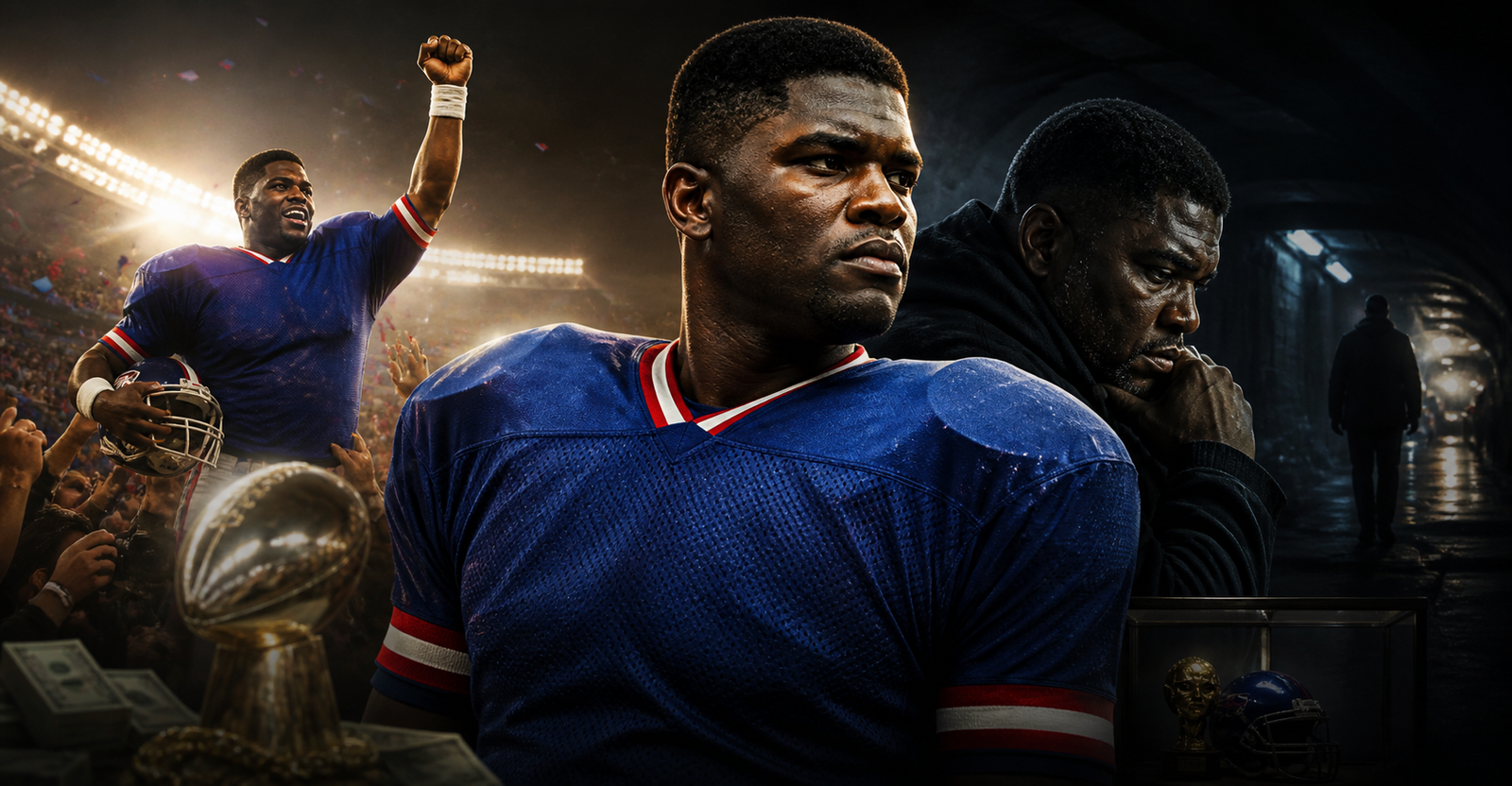
Lawrence Taylor is one of the most dominant defensive players the NFL has ever seen. Known widely as L.T., he changed how teams thought about pass rushing, outside linebackers, offensive protection, and defensive pressure. His time with the New York Giants made him a football icon, a Pro Football Hall of Fame inductee, a two-time Super Bowl champion, and one of the most feared players of his generation.
That is why the topic of Lawrence Taylor net worth surprises so many fans. For someone with his level of fame, awards, and influence, online estimates often place his current net worth far lower than people expect. Many celebrity finance sites estimate Lawrence Taylor’s net worth at around $200,000, while some estimates fall slightly lower or higher. These numbers are not official financial records, but they have become part of the public conversation around his life after football.
His story is not only about money. It is about greatness, fame, addiction, legal trouble, business losses, older-era NFL contracts, and the difficult transition many athletes face after retirement. Lawrence Taylor earned millions during his career, but his financial journey shows how quickly wealth can change when fame, personal struggles, taxes, investments, and lifestyle pressures collide.
Lawrence Taylor net worth is commonly estimated at around $200,000. Some online sources list the figure closer to $100,000 or $300,000, but none of these numbers should be treated as confirmed private financial statements.
The reason the figure gets so much attention is because Lawrence Taylor was not an average player. He was one of the greatest defensive stars in football history. He played his entire NFL career with the New York Giants, became an NFL MVP, won Defensive Player of the Year honors, earned multiple Pro Bowl selections, and helped the Giants win Super Bowl XXI and Super Bowl XXV.
So why is his estimated net worth so low compared with his legacy? The answer is complicated. His finances were shaped by several factors, including NFL salary levels in the 1980s and early 1990s, personal spending, substance abuse struggles, tax issues, legal problems, failed investments, and the challenges of life after football.
The shock around Lawrence Taylor’s net worth comes from the size of his football legacy. Many fans see his name next to legends such as Reggie White, Ray Lewis, Dick Butkus, Ronnie Lott, and Deion Sanders. In that company, people naturally assume he would have long-term wealth matching his status.
But sports fame does not always turn into lasting financial security. This is especially true for athletes from earlier generations. During Lawrence Taylor’s playing years, even top NFL stars did not earn the kind of salaries seen in today’s league. Modern pass rushers and linebackers can sign contracts worth tens of millions of dollars, sometimes with huge guaranteed money. Taylor played in a different financial era.
He did make significant money for his time, but it was not protected by the same modern systems, contract sizes, endorsement structures, and athlete wealth management support that players often have today. When personal problems and poor financial decisions entered the picture, his fortune became much harder to preserve.
Lawrence Julius Taylor was born in Williamsburg, Virginia. Before becoming an NFL legend, he played football at Lafayette High School and later became a standout at the University of North Carolina.
At UNC, Taylor developed into one of the most explosive defensive players in college football. His speed, power, and instinct made him a nightmare for opposing offenses. He was not just another strong linebacker. He played with rare violence, timing, and athletic ability.
By the time the 1981 NFL Draft arrived, teams understood that Lawrence Taylor was special. The New York Giants selected him with the second overall pick, a decision that would change the direction of the franchise.
Lawrence Taylor played his entire professional career with the New York Giants, and his impact was immediate. He won NFL Defensive Rookie of the Year and quickly became the centerpiece of the Giants defense.
Under head coach Bill Parcells, Taylor became the kind of player offenses had to plan around every week. His ability to attack the quarterback from the outside linebacker position changed the way teams protected passers. Offensive coordinators had to use extra blockers, tight ends, running backs, and special schemes just to slow him down.
Taylor’s most famous season came in 1986, when he won NFL MVP, a rare achievement for a defensive player. That same season, the New York Giants won Super Bowl XXI, and Taylor was the face of one of the most dominant defenses in football.
His career achievements include:
- Two Super Bowl championships
- NFL MVP
- Three Defensive Player of the Year awards
- 10 Pro Bowl selections
- Multiple First-team All-Pro honors
- Pro Football Hall of Fame induction
- New York Giants Ring of Honor
- No. 56 retired by the Giants
Those achievements explain why his name still carries so much weight. L.T. was not simply great. He changed the sport.
For his era, Lawrence Taylor earned strong money. Competitor reports often mention major contracts such as a multi-year deal worth more than $6 million and a later deal worth around $5 million. Those numbers were impressive at the time, especially for a defensive player.
But compared with today’s NFL contracts, they look much smaller. A modern elite edge rusher can earn more in one season than Taylor earned across major parts of his career. This difference matters when discussing Lawrence Taylor’s career earnings and current net worth.
The league’s economics have changed dramatically. TV money, salary caps, guaranteed contracts, endorsement deals, and player branding have all grown. Taylor helped build the entertainment value of the league, but he played before the biggest financial boom.
Still, older-era contracts are not the only reason his net worth became a talking point. He did earn millions. The bigger issue is what happened after the money came in.
One of the most difficult parts of Lawrence Taylor’s life story involves substance abuse. He has spoken publicly over the years about his struggles with drugs, including cocaine use during and after his playing career.
Addiction can affect every part of a person’s life, including health, relationships, judgment, and money. For Taylor, substance abuse became one of the major reasons his post-football life was often described as troubled.
During his playing days, his talent was so overwhelming that he continued to dominate on the field. Off the field, however, those problems became harder to ignore. After retirement, without the structure of football, the struggles became even more damaging.
This part of his story should be handled carefully. It is not just gossip or scandal. It is part of understanding how an athlete with historic talent and major earnings could face serious personal and financial decline.
Lawrence Taylor’s legal issues have also shaped public discussion about his finances and legacy. Over the years, he faced several legal problems, including tax-related issues, drug-related matters, and more serious criminal allegations.
Legal trouble can be financially draining. Attorney fees, settlements, fines, court costs, lost business opportunities, damaged reputation, and reduced earning power can all affect long-term wealth.
For a public figure like Taylor, each legal issue also became part of the media narrative. Instead of being discussed only as a Hall of Fame linebacker, he was often written about as a cautionary tale. That kind of public image can limit endorsement deals, broadcasting opportunities, and long-term commercial partnerships.
His case shows how off-field problems can continue to affect an athlete’s financial life long after retirement.
Another factor in the Lawrence Taylor net worth story is business trouble. Some reports have discussed his involvement in ventures such as All-Pro Products, a company connected to health drinks and public stock activity.
Business opportunities can look attractive to former athletes because they offer a way to turn fame into long-term income. But they can also be risky, especially when the athlete is not deeply involved in day-to-day management or does not have strong financial guidance.
Taylor’s reported losses and failed business moves became part of the broader story of his financial decline. Like many athletes, he had fame and access, but fame does not automatically create business success.
This is one of the key lessons in his story. Making money and keeping money are two different skills.
After retiring from the NFL, Lawrence Taylor remained visible through entertainment and media. He appeared in films, television, wrestling, and sports commentary. His post-football credits include appearances connected to The Waterboy, Any Given Sunday, The Sopranos, Dancing with the Stars, and WrestleMania XI, where he faced Bam Bam Bigelow.
These appearances likely helped him earn money after football, but they did not rebuild his fortune to the level many fans might expect. Entertainment work can provide income, but it is often inconsistent unless someone becomes a regular actor, broadcaster, or business owner.
Taylor also worked as a sports commentator and public personality at different points, but his off-field reputation made it harder for him to create the kind of stable post-career media role that some former athletes enjoy.
Lawrence Taylor’s financial problems are often discussed as a warning about athlete money management. His story includes many of the risks that can affect professional athletes:
- Short career window
- Sudden wealth at a young age
- Lack of long-term planning
- Addiction struggles
- Legal problems
- Costly lifestyle habits
- Failed investments
- Tax trouble
- Declining income after retirement
- Difficulty adjusting to life outside sports
This does not erase his greatness. It simply shows the other side of fame. Fans often see the trophies, highlights, and big contracts. They do not always see the pressure, mistakes, personal battles, and financial decisions that happen behind the scenes.
Taylor’s story also reflects how the NFL has changed. Today’s players often have more access to financial advisors, brand teams, mental health support, and bigger guaranteed contracts. Even then, wealth is never automatic. Athletes still need discipline, planning, and the right people around them.
Even with all the financial and personal struggles, Lawrence Taylor’s legacy remains massive. On the field, he is one of the most important defensive players in football history.
He changed the value of the pass rusher. He forced offenses to rethink blocking schemes. He helped make left tackle one of the most important positions in football because teams needed to protect quarterbacks from players like him. He brought speed, aggression, and fear to the outside linebacker role in a way that shaped future generations.
Players such as Michael Strahan, Von Miller, J.J. Watt, Nick Bosa, and many modern edge rushers benefited from the defensive revolution Taylor helped create. He did not just play the game. He changed how the game was played.
That is why many fans still separate his football greatness from his financial decline. His money story is complicated, but his football impact is clear.
The real story behind Lawrence Taylor net worth is not just that his estimated fortune is surprisingly low. It is that his life shows the gap between legendary talent and lasting financial stability.
He was a once-in-a-generation player for the New York Giants, an NFL MVP, a two-time Super Bowl champion, and a Pro Football Hall of Fame linebacker. He earned millions during his career and stayed famous after retirement through media, acting, wrestling, and public appearances.
But personal struggles, addiction, legal problems, taxes, failed investments, and the smaller salary era of 1980s and 1990s football all shaped his financial outcome.
Lawrence Taylor remains one of the greatest defensive players the sport has ever seen. His net worth may surprise fans, but his legacy on the field is far larger than any estimate attached to his name.