
 By Admin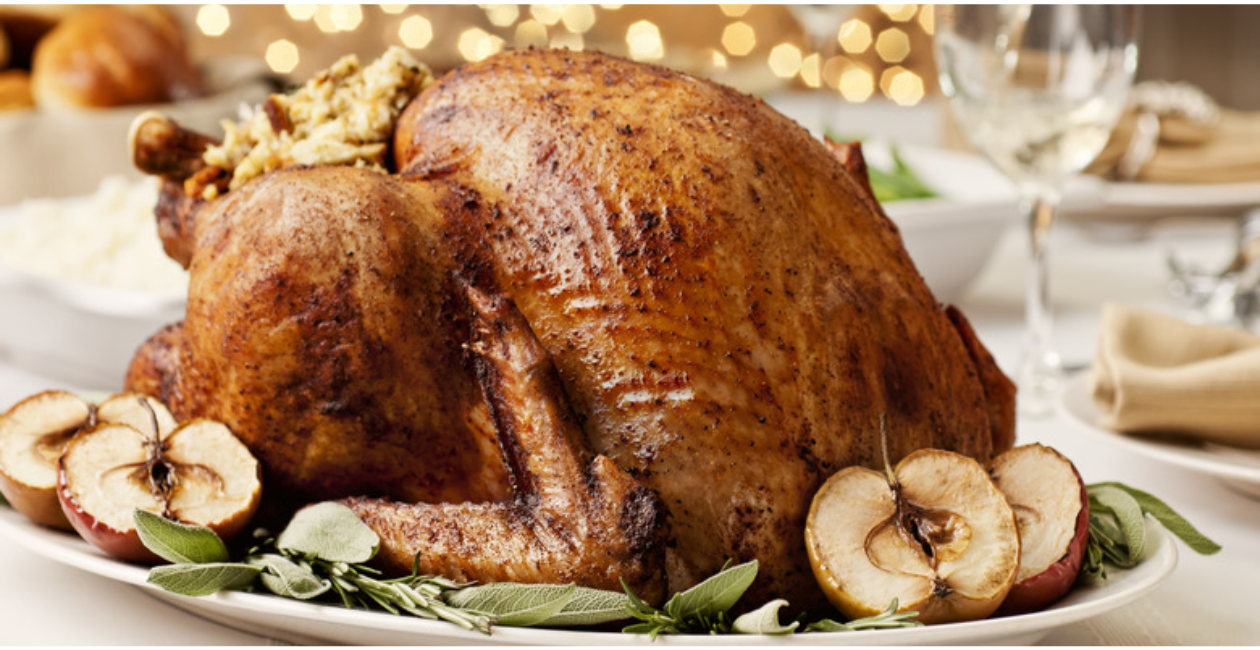
There is a reason so many cooks keep coming back to a buttermilk brine for turkey. It is not just a trendy holiday trick. It works because it tackles the two biggest turkey problems at once: dryness and blandness. Across recipes from Samin Nosrat, Katie’s Cucina, the National Turkey Federation, Williams Sonoma, The Copper Table, and Dash of Jazz, the same promise keeps showing up. A buttermilk brine helps produce turkey that is more tender, more juicy, and more flavorful than a bird that goes straight into the oven without that extra step.
The biggest reason this method works is the buttermilk itself. Several of the recipe pages explain that buttermilk is slightly acidic, or more acidic than regular milk, which helps break down proteins or connective tissue in the meat. That matters because turkey, especially the breast, is lean and easy to dry out. A gentler acidic brine helps soften the texture without pushing it too far in the way harsher acids sometimes can. Katie’s Cucina says buttermilk helps tenderize without toughening, Dash of Jazz says it breaks down protein fibers, and The Copper Table says it helps break down connective tissues while adding moisture.
That is what makes the tenderness feel different from a regular wet brine. A plain salt brine can absolutely help a turkey stay juicy, but buttermilk adds another layer. It gives you the moisture-retaining benefits of brining plus a more delicate, almost cushioned texture in the finished meat. That is why the method shows up so often in recipes meant to rescue turkey breast, the part of the bird people worry about most.
It is easy to give all the credit to buttermilk, but the salt in the brine is just as important. Dash of Jazz explains it very clearly: salt breaks down the meat’s muscle proteins, which helps the bird absorb liquid and hold onto moisture as it cooks. Katie’s Cucina makes a similar point, saying brining reduces moisture loss and helps protect the bird from drying out if it cooks a little too long. In other words, the brine is not only making the turkey softer. It is helping it stay juicy under heat.
That is why even the simplest versions of this recipe still work. One of the most useful takeaways from the recipe pages is that a basic buttermilk turkey brine can be incredibly simple. Dash of Jazz says the simplest version is just buttermilk and salt, while other recipes build from there with herbs and spices. So if the question is why the bird turns out tender, the short answer is this: the salt helps the meat hold moisture, and the buttermilk helps soften the texture. Together, they do more than either would do alone.
Tenderness is the headline, but flavor is a big part of why people love this method. Most of the recipes do not stop at buttermilk and salt. Katie’s Cucina uses sage, garlic, and peppercorns. The National Turkey Federation uses rosemary, bay leaf, garlic, and black pepper. Williams Sonoma goes even more aromatic with basil, coriander, yellow mustard seeds, granulated garlic, and bay leaves. These ingredients do not just make the brine smell good. They give the turkey a deeper savory character that carries into the meat.
That is one reason a buttermilk brine often tastes richer than people expect. Even when the flavoring is subtle, the bird usually comes out tasting more seasoned all the way through instead of just being flavorful on the surface. Williams Sonoma says the buttermilk also adds flavor while helping keep the meat incredibly moist, which is a good summary of why this method feels so satisfying on the plate.
Another thing people often notice is the skin. A good buttermilk-brined turkey can come out with deeply golden skin and a very appealing roasted color. The National Turkey Federation directly promises crispy, golden brown skin, and Dash of Jazz explains that buttermilk contains sugars that caramelize during roasting, helping create that browned finish. That does not mean you can skip proper drying or good roasting technique, but it does explain why the bird often looks as good as it tastes.
This is also why some cooks pair the brine with spatchcocking. Both Dash of Jazz and the National Turkey Federation recommend it as an option because flattening the bird helps it cook more evenly and can give you better skin all over. So the tenderness is coming from the brine, but the final texture contrast between juicy meat and crisp skin often gets even better when the roasting method is working with the brine instead of against it.
One reason the method works so well is that it gives the bird enough time to change. Most of these recipes are not quick marinades. Katie’s Cucina recommends at least 12 hours and no more than 24 hours. The National Turkey Federation also says not to go beyond 24 hours and to keep the bird under 40 degrees F while brining. Williams Sonoma goes longer, recommending 24 to 36 hours, and Dash of Jazz stretches the method further for a whole spatchcocked bird.
The practical takeaway is simple. This is a method that rewards planning ahead. The brine needs time to do its work, but it is also something you want to control carefully. Keep the turkey cold, do not overdo the soak, and follow the timing of the specific recipe you are using instead of guessing. That keeps the texture pleasant and the seasoning balanced.
One of the more useful details in the recipe set is that not every cook agrees on substitutions. Katie’s Cucina says you can make your own buttermilk by mixing milk with vinegar if needed, but The Copper Table says this shortcut is not the same and recommends using real buttermilk for the recipe. That difference tells you something important about the keyword itself. People are not only searching for a flavor idea. They are searching for a method that changes the texture of the meat in a reliable way. Real buttermilk is part of why that happens.So if you are wondering why a turkey brine buttermilk recipe makes turkey so tender, the answer is not mysterious at all. It is a smart combination of salt for moisture retention, buttermilk for gentle tenderizing, and enough resting time for both to do their job. Add a few good herbs and spices, roast it well, and you get the kind of turkey people actually want a second slice of.