
 By Admin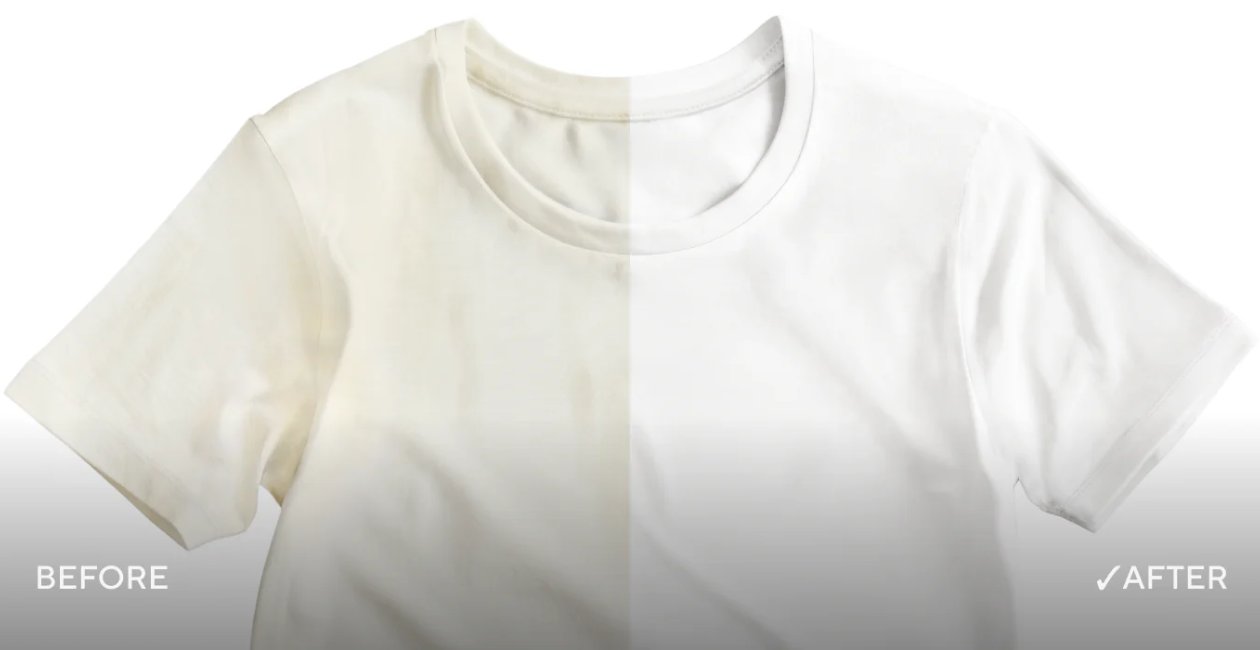
A white shirt can look crisp one day and suddenly show yellow underarm stains the next. It is frustrating, especially when the fabric still feels perfectly wearable. The good news is that you can usually get sweat stains off white shirts at home without wrecking the material. The trick is knowing what caused the stain, using the right treatment, and avoiding the few mistakes that make the problem worse. Experts and laundry guides consistently point to the same culprits and the same safe habits: pretreat first, choose gentle but effective cleaners, and keep stained fabric out of the dryer until you know the discoloration is gone.
Despite the name, sweat stains are often not caused by sweat alone. The yellowing usually comes from a mix of sweat, body oils, and antiperspirant or deodorant residue, especially formulas that contain aluminum. That reaction can build up gradually in the underarm area and leave white fabric looking dingy or yellow over time. Several laundry and clothing-care sources make this point because it explains why regular washing does not always fix the problem.
That also explains why the stain can be stubborn. It is not always a surface mark that rinses away easily. Sometimes it is residue sitting in the fibers, which is why pretreating matters so much more than just tossing the shirt into the wash and hoping for the best.
If you want to protect the fabric, do not jump straight to the harshest cleaner you can find. The safest approach is to start with a gentler pretreatment and only move to stronger options if the stain is still there. Before doing anything, check the care label. A basic cotton tee can usually handle more than a delicate white blouse, a lace top, or a dress shirt with special finishing. Many guides recommend spot testing any treatment on a hidden area first, especially when using hydrogen peroxide, oxygen bleach, or stronger stain removers.
A simple first step is rinsing the underarm area with cool water, then treating it with white vinegar. Good Housekeeping and other garment-care sources repeatedly mention white vinegar because it helps break down buildup without being as aggressive as harsher bleach-based treatments. Let it sit for a while before washing, rather than applying it and immediately rinsing it off.
For most sturdy white shirts, one of the best at-home methods is a paste made with baking soda and a small amount of water. Rub it gently into the stained area with your fingers or a soft brush, let it sit, then wash the shirt as usual. Multiple competitors recommend this because it is easy, inexpensive, and less likely to damage fabric than harsher solutions.
If the stain is older or darker, a stronger home option is a mix that uses hydrogen peroxide with baking soda, and in some cases a drop of dish soap. This combination shows up often in laundry advice because it can lift stubborn yellowing from white fabric. Still, it is smarter to treat it as a targeted stain-removal step, not something to pour carelessly over the entire shirt. Keep it on the stained zone, test first, and do not use it on fabrics that are too delicate to handle it.
Sometimes the stain is not just discoloration from antiperspirant. It can also include oils and protein-based residue, especially if the shirt has been worn many times before being deeply cleaned. That is where enzyme detergent or an enzyme stain remover can help. These products come up in more expert-led advice because they are made to break down the kinds of organic material that regular detergent may leave behind.
This can be a smart route if you do not want to keep experimenting with homemade mixtures. Pretreat the area with the enzyme product, let it sit according to the instructions, then wash the shirt using the hottest water that is still safe for the fabric. That last part matters. Hotter water can help, but only if the care label allows it.
If there is one thing nearly every useful source agrees on, it is this: do not put the shirt in the dryer until the stain is fully gone. Dryer heat can set the discoloration and make it much harder to remove later. That is why air drying is such a common recommendation after stain treatment. Once the shirt is dry, inspect the underarm area in good light. If the yellowing is still there, treat it again before using heat.
This is also why people sometimes think a treatment “did not work,” when really the stain might have improved but then got locked in by heat too early. A little patience here can save the shirt.
A lot of people assume bleach is the obvious fix for white shirts. It is not always that simple. Several sources specifically warn that chlorine bleach can worsen sweat-related yellowing in some cases, especially when the stain is tied to antiperspirant buildup. That is why many guides suggest oxygen bleach instead when you need a whitening boost for washable whites.
That does not mean every bleach product is automatically off-limits forever. It means you should not treat bleach like a universal answer. Read the care label, know what type of bleach you are using, and remember that safer whitening options often work better for this specific problem.
Not every white shirt should be treated like an old gym tee. If the item is made from silk, lace, or another delicate fabric, or if it is a more expensive dress shirt you do not want to gamble with, it is better to use a gentler stain remover or take it to a professional cleaner. Some cleaners specifically advise people not to scrub aggressively or use strong DIY formulas on fragile materials because the stain might come out, but the fabric finish, shape, or texture could suffer.
For dress shirts, another smart move is using lighter targeted treatments more often rather than waiting until the yellowing becomes obvious. Smaller, earlier cleanups are usually easier on the fabric than one aggressive rescue mission later.
Once you get the shirt clean, prevention matters. A few simple habits can make a real difference. Let deodorant dry before putting on the shirt. Wash white shirts sooner instead of letting sweat and product buildup sit for days. Consider wearing an undershirt if you wear dress shirts often. And if yellow stains are a constant issue for you, it may be worth trying an aluminum-free deodorant or at least switching formulas to see whether the buildup changes. Several laundry and clothing-care sources mention these steps because preventing the reaction is easier than repeatedly scrubbing it out later.
Fabric choice can help too. Breathable materials like cotton and linen can sometimes feel easier to live with in hot weather than heavily synthetic fabrics, especially if you sweat a lot. That will not magically stop stains, but it can make shirts feel fresher and easier to wash promptly.
If you want the shortest practical answer, this is usually the safest order to follow:
Start with cool water and white vinegar.
Move to baking soda paste for everyday stains.
Use hydrogen peroxide or an enzyme remover for tougher yellowing on sturdy white fabrics.
Wash according to the care label.
Then air dry and inspect before using the dryer.
That routine works because it treats the stain seriously without treating the fabric harshly. And that is really the goal here. You do not just want a whiter shirt. You want a whiter shirt that still looks and feels like a shirt worth wearing.